
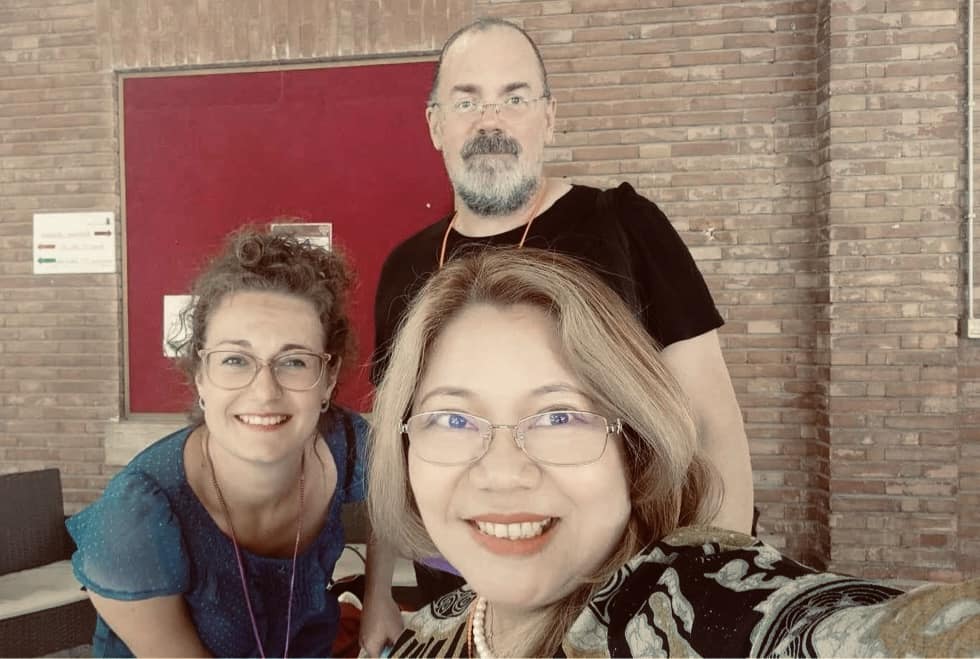
Trainers:
Guest Speakers:
Contact person: alujanac@gmail.com
InveSTEAM
Pic number: 890934137
OID: E10278466

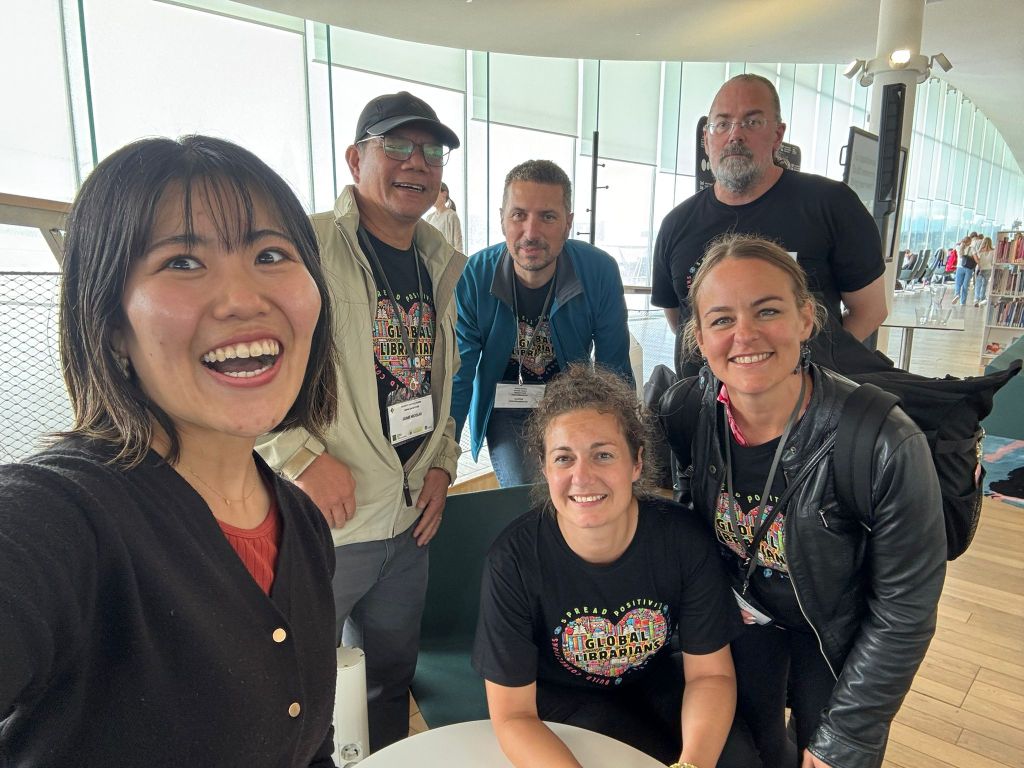
This 5-day Erasmus training was held first time in Helsinki’s libraries in June 2025, exploring the impact of sustainability, inclusion, and classroom/library design on student learning. For those with Erasmus projects, it is important to know that the course is also available on the ESEP platform.
The next course is scheduled from 14th to 18th of December 2026 in Zagreb.
Course fee: 480 €
Sales quote is available here.
The course Inclusive Learning Spaces encouraged discussion about concrete steps each of us can take to create a more inclusive environment. We concluded that even small steps that show respect for diversity, interest in individual students’ needs, and collaboration with others are the path we need to take. Participants learned about the work of international organizations International Association of School Librarianship, the IFLA School Libraries Section and the IFLA Section on Education and Training and agreed on plans for continued collaboration. We visited Helsinki Central Library Oodi, Helsinki University Library and multicultural Keinutie Primary School in Helsinki. This course is developed by Dr. Maria Fe Nicolau.
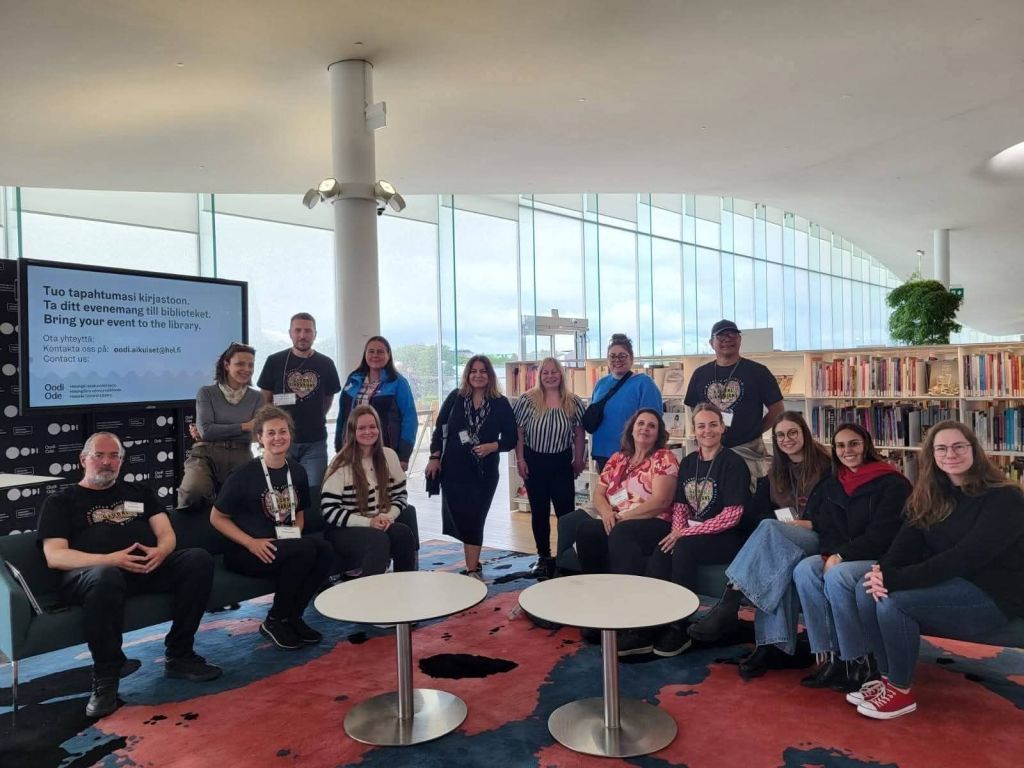
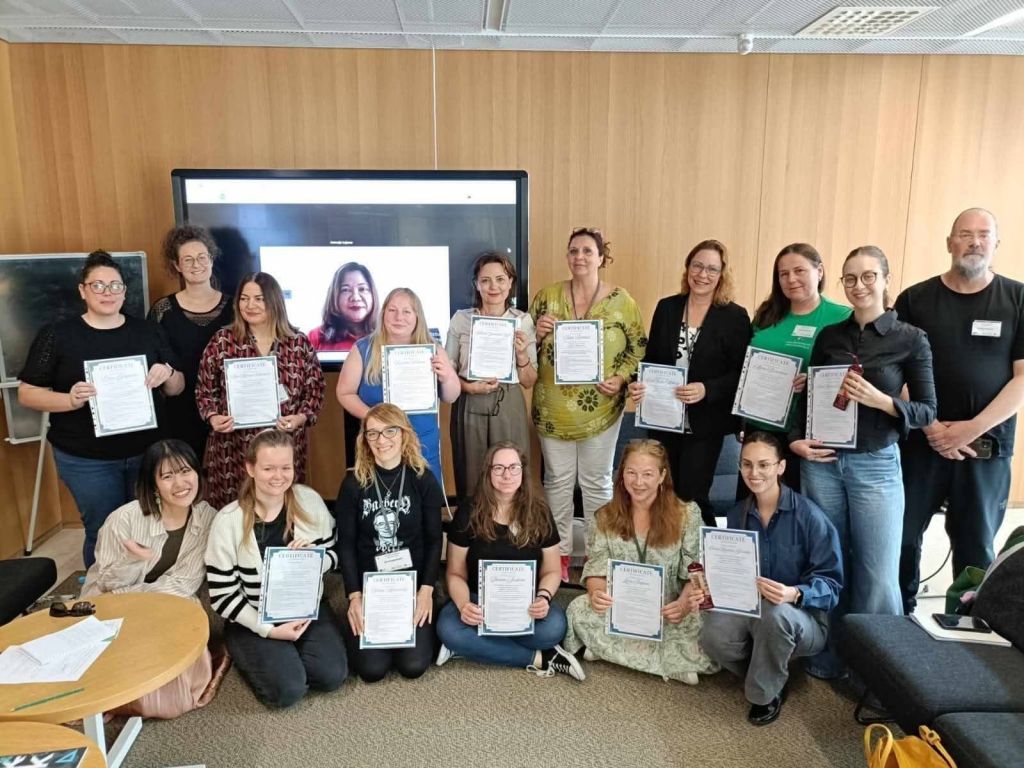
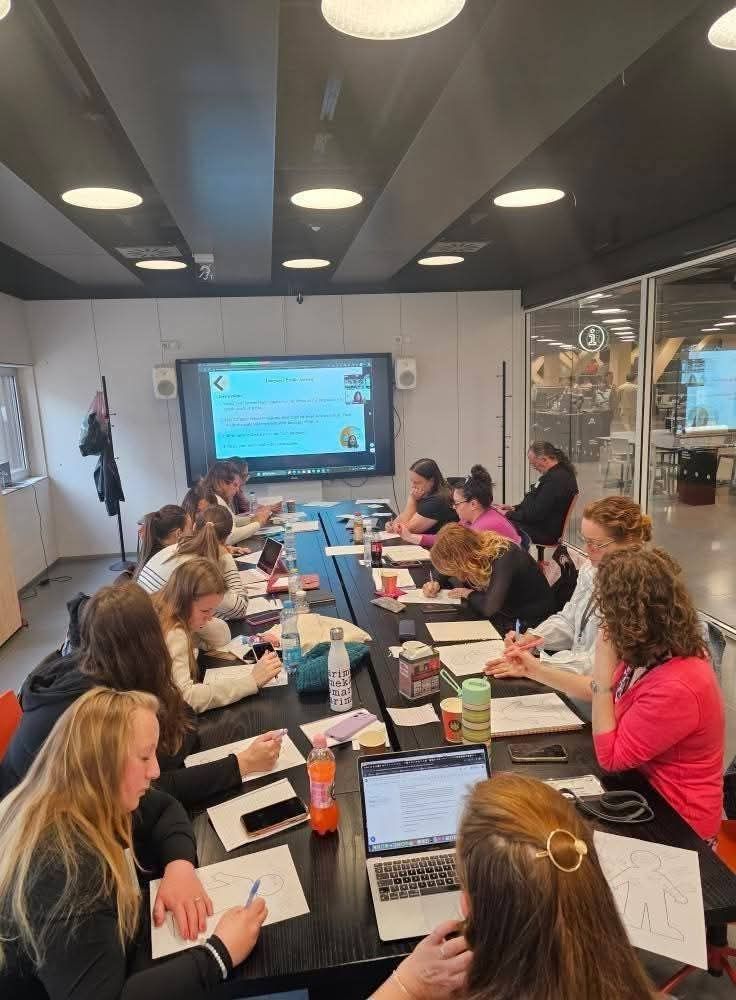
The trainers, top global experts in the field of education and librarianship, shared their extensive experience in creating an inclusive learning space. Each participant received a Certificate and the Europass Mobility Document (on demand).
Overall purpose of the workshop
Recent research highlights how physical learning environments greatly affect students’ well-being, learning, and performance. A study by Barrett et al. (2019) supports this, showing that factors like classroom design, lighting, and air quality can boost learning progress by up to 16%. By improving access to well-designed spaces like classrooms and libraries, schools can significantly enhance students’ academic and social experiences, while also benefiting their well-being.
To enable educators, librarians and administrators put these findings into practice, the 5-day training, offers an excellent opportunity to explore how library design can impact student learning.
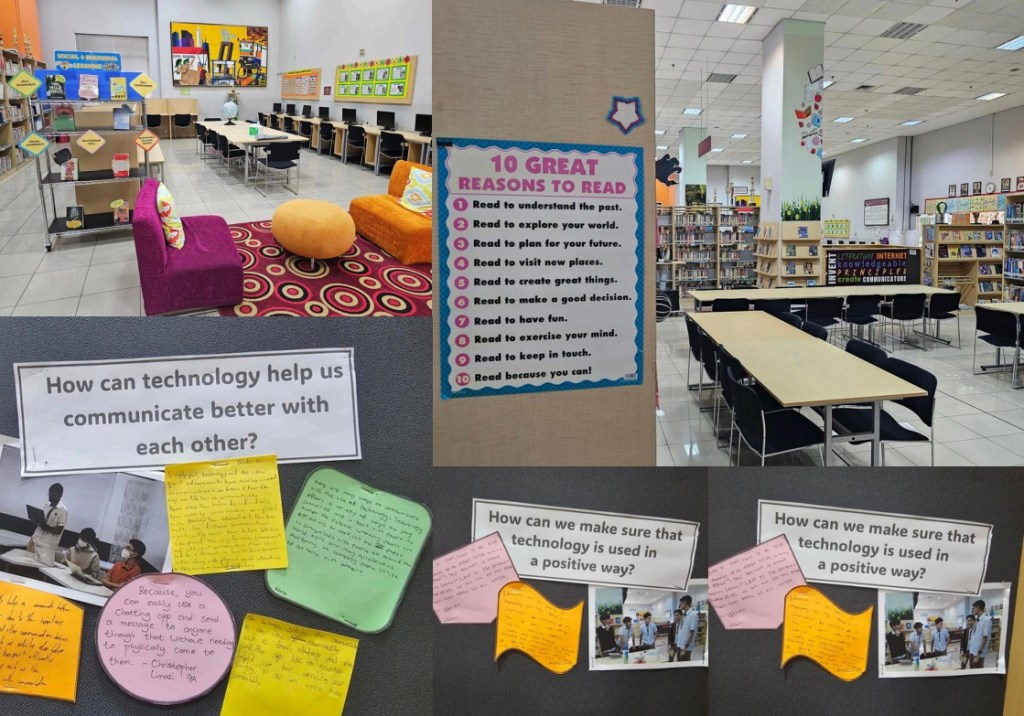
Session 1: Introduction to Inclusive Learning Spaces: Define inclusivity in education; understand key principles.
Session 2: Creating inclusive learning spaces
Session 3: Diverse collection development to enhance well-being
Session 4: Exploring Good Practice Examples (Asian, Australian, European, African and American experiences)
Session 5: Inclusive Leadership practices in learning spaces that promote collaboration, comfort, and accessibility by incorporating flexible seating arrangements and adaptable layouts for diverse learning needs.
Session 10: Educational visits to schools and libraries
Session 9: Actions for Inclusion: fostering diversity in school
Multicultural activities
Methodology & Assessment
* Theoretical introduction to the field of designing inclusive learning spaces.
* Analysis of best and poor practice examples.
* Site visits and observations in schools and libraries.
* Hands-on workshops.
* Group discussions and one-on-one consultations.
 InveSTEAM